Regular maintenance is the single biggest factor in equipment life and avoided downtime. Change pump oil every 100 hours, inspect hoses before every use, flush the chemical injector after every job, and never run the pump without water flowing through it.
Most field problems come down to a short list of causes. This is what to check, in order.
| Symptom | Likely cause | What to check |
|---|---|---|
| Low or no pressure | Clogged nozzle, kinked hose, air leak in the supply line, or a worn pump | Confirm the water supply provides adequate flow to the machine |
| Pulsating pressure | Air in the system, worn valves or seals, or a failing unloader | Bleed air from the system and inspect pump components |
| Water leaking from the pump | Worn seals or packing | Seal kits are available for most pumps and can be replaced without removing the pump |
| Engine starts but the pump does not engage | Belt or coupler between engine and pump | On direct-drive units, inspect the shaft key |
| Chemical injector not drawing | Injector not rated for the machine's GPM, a clog, or the wrong nozzle | Chemical injection needs a low-pressure nozzle. Check the flow direction marked on the injector |
Follow the manufacturer's maintenance schedule, use quality components, and avoid running the machine beyond its rated capacity.
Never let the pump run for extended periods without water flowing through it. That causes rapid overheating and seal failure, and it is the most common way operators destroy a pump.
Use pump protectant during storage, keep equipment in a dry location, and replace wear items such as seals, o-rings and nozzles proactively rather than waiting for them to fail on a job site. Ameritech carries a full line of replacement parts, seal kits and maintenance supplies for Udor, General, Cat and other major pump brands.
Every 100 hours of use, or as specified by the pump manufacturer, whichever comes first.
Pulsating pressure is usually air in the system, worn valves or seals, or a failing unloader. Bleed the air from the system first, then inspect the pump components.
Check for a clogged nozzle, a kinked hose, an air leak in the supply line, or a worn pump. Also confirm the water supply is actually delivering enough flow for the machine.
Verify the injector is rated for your machine's GPM, check the chemical line for clogs, confirm a low-pressure nozzle is installed since chemical injection requires one, and make sure water flows in the direction marked on the injector.
Yes, in any climate where temperatures drop below freezing. Run pump antifreeze through the system to prevent cracked pump heads and fittings.
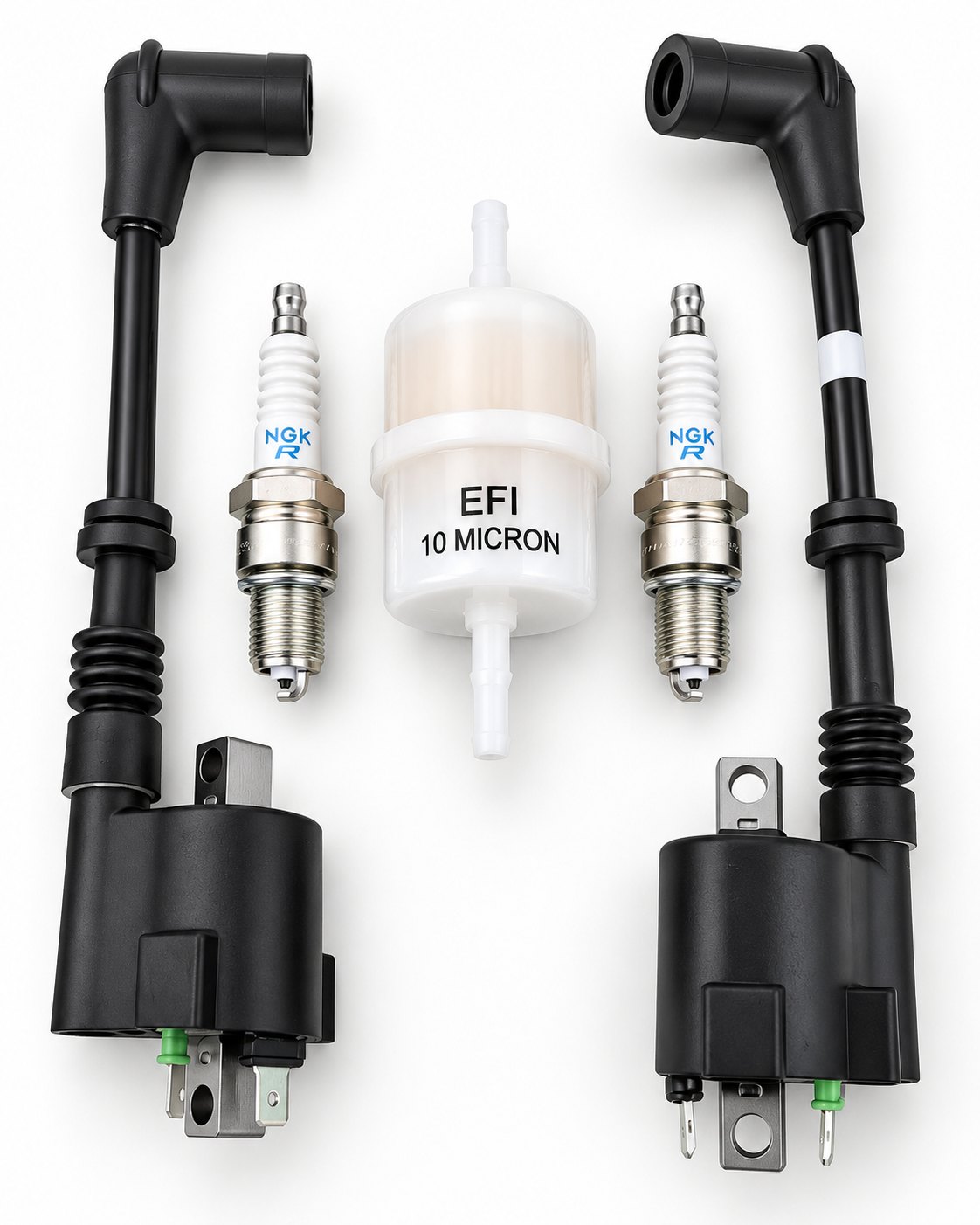
The parts we replace most often on commercial pressure washing machines. If you are not sure which one you need, call us with your pump or engine model and we will identify it.


Not sure what failed? A diagnostic estimate identifies the fault before any parts are ordered. Book a diagnostic →
Ameritech services and rebuilds pumps in-house at our Tampa facility, and stocks OEM parts for the major brands.
Talk to the Tampa Team